How Much Should You Water Your Lawn in Knoxville’s Climate? (Lawn Watering Knoxville, TN)
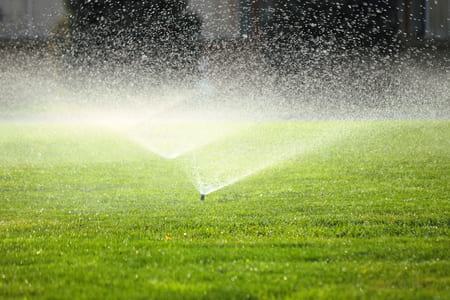
Knoxville weather shifts fast, so the right watering amount is not one-size-fits-all. Your grass needs change with heat, rainfall, and soil, and that is why a professional schedule beats guesswork. This guide explains how pros size watering to our local climate so your lawn stays thick, green, and resilient. When you want even coverage without waste, a well-designed system from our irrigation installation team keeps moisture consistent across every zone.
Below, you will see how season, soil, and rainfall shape a weekly plan. We will also cover the signs your lawn is thirsty or getting too much water, and how pros in East Tennessee fine-tune irrigation so roots grow deeper and color holds longer.
What Knoxville Weather Means For Your Lawn
Knoxville sits in the Tennessee Valley, which brings warm summers, mild winters, and quick pop-up storms. That mix can swing a lawn from soaked to dry in days. West Knoxville neighborhoods like Farragut and Hardin Valley often feel hotter on wide, sunny lots, while shaded streets in Sequoyah Hills and older parts of Fountain City hold moisture a bit longer. Pros read these microclimates and adjust schedules so each area of your yard gets what it needs, not what it does not.
Sun exposure also matters. South-facing slopes, curb strips along driveways, and open front lawns bake faster than tucked-away backyards. Grass on those edges usually needs more consistent moisture to prevent stress stripes and thin patches.
How Much Water By Season
Professionals plan watering around growth cycles and heat. The numbers below include rainfall plus irrigation and are tailored during service visits based on what the week brings.
- Spring: Often 0.5 to 1 inch per week as frequent showers take the lead. Pros watch for long cloudy stretches that reduce demand.
- Summer: Commonly 1 to 1.5 inches per week, delivered in deeper, less frequent cycles so roots chase moisture. Afternoon heat and humidity push plants to use more water.
- Early Fall: Around 0.75 to 1 inch per week as nights cool and growth resets. Scheduling focuses on steady color and recovery from summer stress.
- Late Fall to Winter: Established lawns often need little supplemental water unless there are extended dry spells. New sod or renovations follow a separate pro-managed plan.
These ranges are starting points. A professional will confirm with on-site checks, then dial in timing and run patterns so moisture reaches the root zone without runoff.
Soil Type And Slope Change The Schedule
Yards across Knoxville vary from clay-heavy subsoils to loamier pockets and sandy fills around new builds. Each behaves differently when it is watered.
- Clay-heavy soil: Holds water but accepts it slowly. Pros use shorter, repeated cycles that soak in without puddling, especially on banks in places like Karns and Powell.
- Loam: Even intake and storage. Schedules here aim for deep, consistent watering that stretches days between cycles.
- Sandy or fill soil: Drains fast. Plans lean on slightly more frequent, shorter sets to keep roots supplied without waste.
Topography is just as important. Slopes shed water, while shaded beds under mature trees hold it. A crew will adjust zones so high spots, edges by concrete, and wind-exposed fronts get what they need without overdoing gentler, slower-drying areas.
How Rainfall Shapes Week-To-Week Decisions
Thunderstorms can drop an inch in an hour, then leave you dry for days. That is why pros track recent rain totals before they water. If storms delivered most of the weekly target, irrigation gets scaled back. If showers were scattered and light, cycles top off what nature missed. For local homeowners who want a clear baseline, our team guides lawn watering in Knoxville, TN using real-time weather checks and on-lawn inspections rather than fixed, set-and-forget timers.
Humidity also plays a role. Sticky afternoons reduce evaporation from leaves but heat increases plant demand. The job is balancing both so the root zone stays steady. That steady line is what prevents wilting at 4 p.m. and muddy patches the next morning.
Grass Types We See Most In East Tennessee
Many Knoxville homes feature warm-season turf like bermuda and zoysia in sunnier yards, while tall fescue shows up in shaded or mixed-light lots. Warm-season grass prefers deeper, less frequent cycles in peak heat to build strong summer roots. Fescue enjoys steady moisture and benefits when crews protect afternoon shade zones from drying out. Blended lawns get zone-by-zone tuning so each area receives the right volume.
Pro Techniques That Keep Color Without Waste
Here is how trained crews keep water working for your yard:
Cycle-and-soak for difficult areas. On clay or slopes, shorter sets repeated after a brief rest help water move into the soil instead of running down the driveway. This technique feeds roots while preventing puddles and disease-prone wet spots.
Matched coverage across sprinkler heads. Even precipitation avoids dry rings around trees and soggy corners along sidewalks. A mismatch is often why lawns look striped or patchy after a hot week.
Seasonal program changes. Summer needs are not the same as early fall. Pros step schedules up or down with heat, daylight length, and rain history so your lawn never yo-yos from soaked to parched.
When a property calls for a smarter setup, homeowners count on professional irrigation installation that pairs efficient equipment with local scheduling know-how.
Local callout: Summer pop-up storms can make clay crust and shed water, then heat bakes the top inch dry. A pro-managed plan spaces cycles so moisture reaches 6 to 8 inches deep and stays there between rains.
Reading The Lawn: Signs Of Too Little Or Too Much
Pros read the turf before they touch a controller. Footprints that linger, bluish-green blades by late afternoon, and thin edges along concrete suggest the plant is thirsty. Spongy ground, mushrooms, and yellowing in low spots point to excess moisture. Consistent color with spring in the step underfoot means the schedule is working. If your yard shows mixed signals, a technician will adjust zones individually so strong areas are not punished while weak zones recover.
Rainfall, Soil, And Season Working Together
Think of your schedule like a three-leg stool. Rainfall determines how much help you need this week. Soil decides how quickly it accepts and stores that water. Season sets the baseline demand for the plant. When one leg changes, the other two are tuned to match. That is why a simple monthly schedule rarely holds up across Knoxville from Bearden to Halls. A lawn that thrives in May will falter in July unless the plan flexes with the weather.
Water Conservation That Still Delivers Curb Appeal
Wasting water does not help color. It only raises bills and invites disease. Crews prevent waste by targeting the root zone, correcting coverage overlaps, and avoiding long, continuous sets on clay. Deep, even moisture stored in the soil is more valuable than a daily sprinkle because it drives roots down and keeps blades cooler through hot afternoons. The result is better color with fewer total cycles.
Nutrition supports the plan too. Balanced feeding strengthens roots so the lawn uses water more efficiently. If your yard needs help recovering from summer stress, our lawn fertilization services reinforce density and color, which also slows evaporation at the soil surface.
Neighborhood Examples Across Knoxville
Open, sunny lots in Hardin Valley often need the full summer target to hold color, especially on south-facing slopes. Tree-lined streets in North Knoxville can get by with slightly less when storms are frequent, but edges near brick and asphalt still dry quickly. Newer construction with fill soils may need closer attention because fast-draining layers do not hold moisture long. A trained eye spots these patterns on the first visit and sets expectations for each zone.
Your Best Next Step
If you want a lawn that stays green without waste, partner with a local crew that manages water, soil, and season as one plan. Start with a tailored assessment from Tikal Lawn and Landscaping, and we will outline the schedule your property needs for steady color all year. If your current setup is uneven or outdated, our team can design a reliable, efficient system that fits your yard perfectly. To talk with a specialist, call 865-253-1510 or book a visit online.
Ready to upgrade performance and consistency? Explore how a purpose-built system from our Knoxville team can stabilize moisture through summer heat and fall dry spells. Learn what goes into a smooth, efficient setup on our page for irrigation installation, and see how it pairs with ongoing lawn care for lasting curb appeal.
Let’s Beautify Your PropertyGet in Touch for Lawn Care & Landscaping Services In Knoxville, TN!